Most padel players practice the same way: show up, warm up for five minutes, play a set. Repeat this for two years and wonder why you're still losing to the same people.
The problem isn't effort. It's that rallying with friends is entertainment, not training. If you want to move up a level, you need deliberate drill work - and you need to know which drills are actually worth your court time.
This is a structured drill program built for intermediate to advanced players in Limassol. These drills are drawn from what coaches at local clubs here actually teach in structured sessions, and they're sequenced to build skills in the right order.
Why Most Practice Sessions Don't Work
Repeating a shot you already know gives you comfort, not improvement. The brain stops adapting when it's comfortable. Real skill gains come from working on shots that feel slightly out of reach.
For padel specifically, three areas produce the biggest results for intermediate players:
- Glass control (reading rebounds and adjusting footwork)
- Net zone dominance (vibora and bandeja consistency, not just power)
- Serve patterns (most players have one serve; good players have three)
Build your solo and paired sessions around these and your match improvement will be noticeable within four to six weeks.
How to Structure a 90-Minute Practice Session
Before diving into specific drills, the session structure matters:
- 0-15 min: Glass warm-up (gentle forehand and backhand off back glass, getting a rhythm)
- 15-45 min: Technical drill work (the drills in this guide)
- 45-70 min: Situation play (practice specific game situations, not open rallying)
- 70-90 min: Serve practice (finish every session with serves - they're always sharp when you're tired)
If you only have 60 minutes, cut the situation play, not the technical drills.
Wall Drills: Building Glass Intuition
Drill 1: Back Glass Rhythm (Intermediate)
Setup: Stand 1.5m from the back glass. Hit a forehand gently into the glass and play the rebound continuously without letting the ball bounce twice.
Reps: 3 sets of 30 consecutive contacts per side.
What it trains: Racket preparation speed and short backswing. The glass gives you less time than a normal shot - this forces you to prepare earlier, which is exactly what you need in matches when opponents accelerate the ball.
Progression: Once consistent at 1.5m, move to 2m and increase pace slightly.
Drill 2: Low Ball Glass Control (Intermediate/Advanced)
Setup: Feed a low ball into the back corner so it comes off the side glass low. Your job is to play a controlled shot back up the middle from below knee height.
Reps: 15 controlled returns per corner, per side. Work both backhand and forehand corners.
What it trains: The defensive recovery shot that separates good players from average ones. Most intermediate players panic on low glass balls and hit long or into the net. Drilling this until it's automatic is the single biggest defensive upgrade you can make.
Drill 3: Lob Off the Glass (Advanced)
Setup: Stand at the back wall. Partner feeds a medium-pace ball so it bounces off the back glass. Your job is to generate enough height and depth on your return to land near your partner's baseline, forcing them back.
Reps: 20 attempts per side. Count successful lobs (those that would have forced the opponent to retreat).
What it trains: Converting a defensive position into a neutral or offensive one. This is what the best local players in Limassol do differently from recreational players - they can flip a point from defense to offense with one shot off the glass.
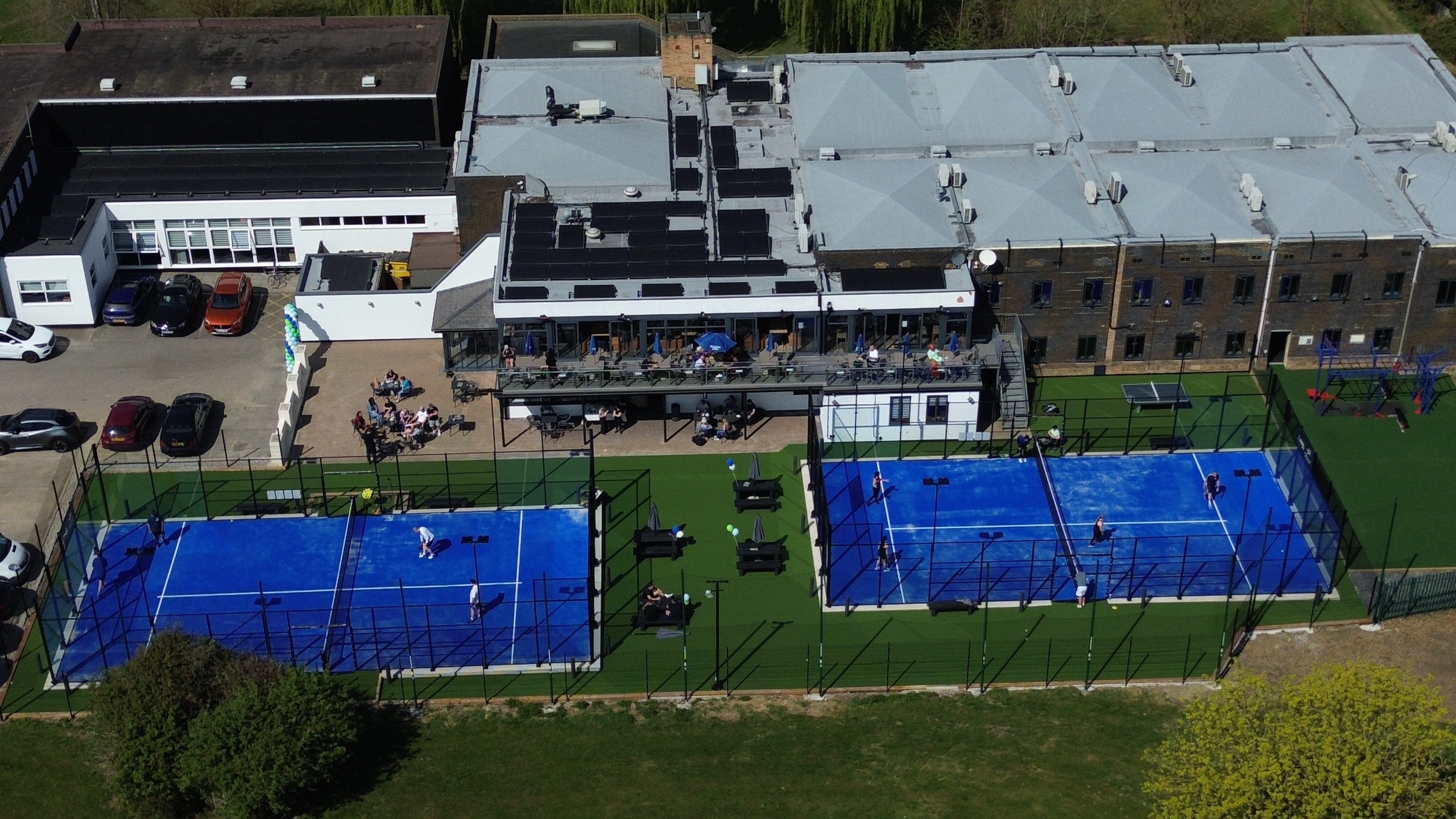
Photo by OCHAPPS, Wikimedia Commons, CC BY-SA 4.0
Net Zone Drills: Owning the Attack
Drill 4: Vibora Consistency (Intermediate)
Setup: Stand at the net in an attacking position. Partner tosses short-hop balls around shoulder height. You hit vibora shots - the sideways spinning overhead - targeting the side glass combination.
Reps: 25 per session, focusing on side glass contact rather than pace.
What it trains: The vibora is the most overused and worst-executed shot in intermediate padel. Most players swing for pace and end up giving opponents an easy ball. The correct vibora hits the side glass first, then angles away from the opponent. Start slow. Get the spin and direction right before adding pace.
Common mistake: Swinging across the body too aggressively. The shot should feel like you're "slapping" the ball to the side, not driving through it.
Drill 5: Smash Positioning (Advanced)
Setup: Start at the net. Partner lobs deep to one side. You move back to the attack position and execute a smash - either direct, into the glass, or into the back glass-side glass combination.
Reps: 20 reps, mixing target choices. Track what percentage hit the intended zone.
What it trains: Decision-making speed on overheads. The shot itself isn't hard; choosing the right target under pressure is. Working this with a real-time lob forces you to make target decisions while moving, which is what happens in matches.
Serve Practice: Building a Three-Serve Arsenal
One good serve makes you predictable. Three serves make you dangerous.
Drill 6: Diagonal Consistency (Intermediate)
Goal: 15 consecutive first serves landing in the correct service box without touching the net or going long.
Target zone: Deep to the backhand corner (most reliable pressure serve for right-handers serving to a right-hander).
Track it: Time how long it takes to get 15 consecutive. Benchmark: under 20 serves total to get 15 in. If it takes 35 or more, serve accuracy is a priority area.
Drill 7: The Body Serve (Intermediate/Advanced)
Setup: Practice serving directly at where the receiver's body would be. This is underused at club level and extremely effective - it jams the receiver and produces weak returns.
Target zone: Chest height, into the body. Not wide, not deep - directly at the player.
Reps: 15 per session. The goal is accuracy, not pace.
Why it works: Most receivers set up to handle wide or deep serves. A ball coming directly at them is harder to time and generates defensive short returns that you can attack.
The Bandeja: A Technical Breakdown
The bandeja is the shot that defines intermediate padel. Get it right and you can sustain offensive pressure indefinitely. Get it wrong and you're giving opponents free points.
Setup position: You should be in the attack zone - approximately one racket length behind the net tape. Feet shoulder-width apart, non-dominant hand pointing toward the ball as it rises.
Swing path: The racket starts high (above your shoulder), drops behind your head slightly, and comes forward and down in a controlled arc. Think of it less like a smash and more like a "placing" motion. You're not trying to win the point with the bandeja - you're maintaining pressure and staying at the net.
Contact point: In front of your body, slightly to your dominant side. If you're hitting it behind your shoulder, your feet are in the wrong position.
Follow-through: The racket finishes pointing toward your target, not falling down to the side. This tells you the swing path was correct.
Common error: Rushing. Players rush the bandeja because they're unsure and want it done. Slow the whole movement down in practice - exaggerate the hold at the top of the swing - until the correct path becomes natural.
Drill 8: Bandeja Repetition (All levels)
Setup: Partner feeds short lobs at bandeja height. You execute 40 consecutive bandejas, alternating between targeting each back corner.
Focus: Not pace, not winners. Consistent placement and staying at the net after each shot. If you're backing up after the bandeja, your technique needs work.
Court Positioning and Movement Drills
Drill 9: Ghost Movement (Intermediate/Advanced)
Setup: Solo drill. Map out five positions: center net, left net, right net, left back corner, right back corner.
Execution: Use a phone timer or have a partner call positions. Move to each called position and execute a shadow swing appropriate to that position - forehand at the net, bandeja from the attack zone, defensive recovery from the back corner.
Duration: 3 sets of 3 minutes.
What it trains: The biggest gap in club-level padel isn't shot quality - it's footwork and positioning. Players hit well in isolation and badly in matches because they're always slightly out of position. Ghost movement ingrains correct positioning patterns so they become automatic.
Drill 10: The 2+1 Pattern (Advanced, pairs)
Setup: Two players at net, one at the back. Back player lobs. Net players play two shots continuing the net position, then one player drops back to simulate a forced defense. Rotate.
Duration: 15-minute rotation blocks.
What it trains: Transitional movement - the moment you go from attack to defense and back again. This is where most intermediate points are actually decided, not in the dramatic shots but in the transitions between positions.
Your Weekly Practice Plan
If you have access to a court twice a week (which most players at Limassol's clubs do), this split works well:
Session 1 (Technical): Drills 1-5 in sequence. No matches. Pure repetition.
Session 2 (Applied): 15 minutes of drills (Drills 6 and 7 - serves), then situation play and finally a proper match. Use the match to notice which drilled shots you're using and which you're reverting away from under pressure.
The things you revert away from under pressure are your highest-priority drills for the following week.
If you want to accelerate progress, booking a session with a padel coach in Limassol is worth doing every few months - not to be told what to practice, but to get an outside eye on what's actually happening versus what you think is happening. There's often a significant gap between the two.
For courts and venues across Cyprus, padelcyprus.com has the full directory.
Frequently Asked Questions
How many times a week should I do padel drills?
Once per week of dedicated drill work combined with regular play is enough to see improvement. More than twice a week without enough match play to apply the drills becomes counterproductive - you need to test skills in real situations to consolidate them.
Can I do padel drills alone?
Yes. Drills 1, 2, 6, 7, and 9 are all solo drills. The glass drills are particularly good for solo work since the wall never misses.
Which drill gives the biggest improvement fastest?
For most intermediate players in Limassol, it's the low ball glass control drill (Drill 2). It's the most common situation where intermediate players give away free points, and it responds very quickly to deliberate practice.
Do I need a coach to do these drills?
No. All drills here are designed to be self-directed. A one-hour technical session with a coach every month or two will show you errors that are invisible to yourself - especially in the bandeja and vibora technique.
What courts in Limassol are best for drill practice?
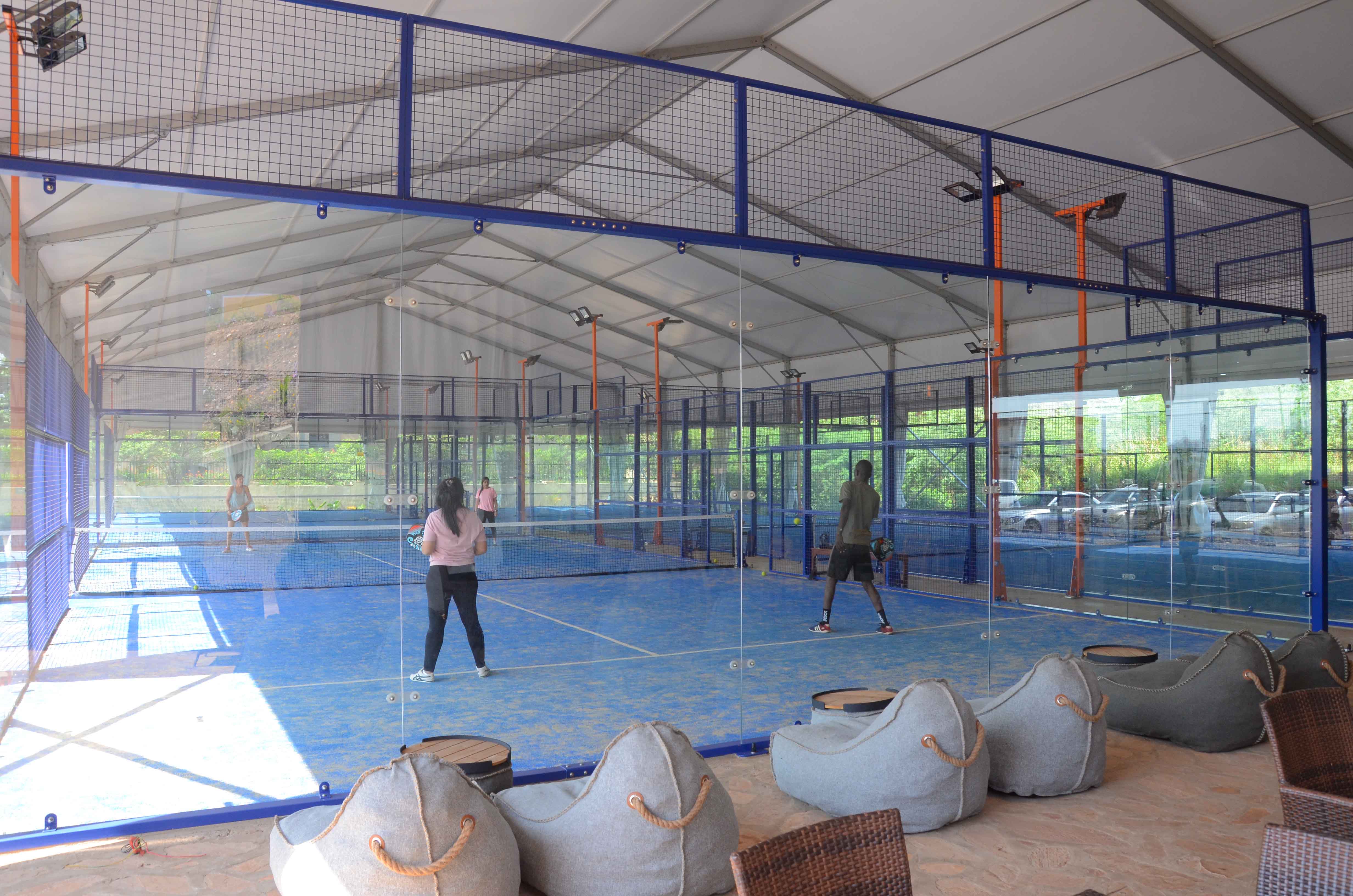
Any club with indoor or covered courts is better for drill work than open-air courts. You're not fighting wind or heat when trying to be precise. Most clubs in Limassol have indoor options; booking early morning slots means courts are usually quiet and you can take your time between reps.